The 10:59 Problem: When Your Jackpot Ticket Dies in the Final Minute

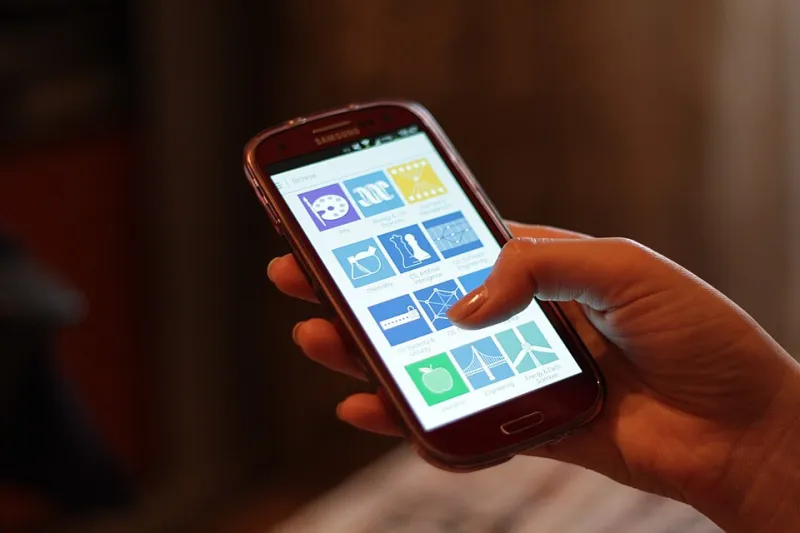
Photo: Photograph by Mike Peel (www.mikepeel.net)., CC BY-SA 4.0, via Wikimedia Commons
It's the scenario every mobile lottery player quietly dreads. The Mega Millions jackpot has ballooned past $800 million, you're standing in line at a coffee shop in Nashville, and at 10:59 p.m. Eastern — one minute before cutoff — you hit 'Place Bet.' The spinner appears. Then your screen goes gray. 'Connection lost.'
Did your ticket go through? Do you have a shot at the jackpot or not? And more importantly: if something went wrong on the app's end, who's on the hook?
The answer, it turns out, is messier than most players realize.
The Last-Minute Scramble Is a Feature, Not a Bug
Let's be honest about human behavior: a huge share of lottery bets happen in the final hour before a drawing. Data from state lotteries consistently shows sales spikes in the last 60 minutes, with a surge in the final ten minutes that would make a Black Friday stampede look tame. Mobile apps have supercharged this — no line at the gas station counter, no fumbling for cash, just a tap from the couch.
But that convenience concentrates risk. When millions of bets flood in simultaneously, even well-built platforms strain. Add in spotty cell coverage at a stadium, a coffee shop Wi-Fi network that drops out, or your phone's GPS failing to confirm you're inside a state where mobile lottery betting is legal, and you've got a recipe for heartbreak that has nothing to do with the numbers you picked.
Three Ways a Bet Can Vanish at the Worst Moment
1. The dropped connection. This is the classic. You tap confirm, the request leaves your phone, but the confirmation never makes it back. The question that matters legally: did the platform receive your bet request before the drawing closed, or did it die somewhere in the middle? Most licensed platforms process bets server-side, meaning the bet either fully completed on their end or it didn't happen at all. There's rarely a middle state — but proving which one occurred is where disputes begin.
2. The geolocation failure. Legal mobile lottery platforms are required to verify you're physically located within a participating state. That check happens at bet time, not at login. So if you're riding Amtrak through a no-bet state, or your phone's location services glitch out in a concrete parking garage, a bet that would've taken two seconds on your couch can bounce at 10:58. Some apps retry automatically; some just fail. Know which behavior your app of choice exhibits before the big one.
3. The payment glitch. Your card expires. Your bank flags a 'suspicious gaming transaction' at 10:57 p.m. and declines it. Your digital wallet balance is a dollar short. Payment failures are the most common last-second kill switch, and unlike the other two, they're largely preventable — which matters when it comes to who owes you an apology (spoiler: probably just you).
What Protections Actually Exist?
Here's the part the glossy ads don't mention: in most cases, if the bet never registered on the platform's servers, you're simply out of luck. No ticket, no claim. The lottery — whether a state-run draw or a licensed betting platform offering insurance-wager style products — doesn't owe you a winning ticket you never actually bought.
That said, legitimate, licensed operators do have real obligations:
- Transaction logs. Licensed platforms keep server-side records of every bet attempt. If your app said 'success' but their system says otherwise, those logs are the evidence that decides your dispute.
- Regulator escalation. If a licensed operator stonewalls you, you can file a complaint with the state gaming regulator that issued their license. These bodies take transaction integrity seriously — their whole existence depends on players trusting the system.
- Clear cutoff times. Reputable platforms display a cutoff that's actually earlier than the official drawing deadline, building in a buffer for processing. If an app lets you bet at what seems like the last possible second, be suspicious of the buffer.
The players who get burned worst tend to be the ones using unlicensed offshore apps, where there's no regulator to call and no transaction log worth the server it's stored on. If the platform isn't licensed in a US state, your 'protection' is essentially a hope and a prayer.
How to Protect Yourself Before the Next Big Draw
You can't control cell towers, but you can control most of the variables:
Bet early. Treat the final 30 minutes before a drawing as a no-fly zone. The jackpot is the same at noon as it is at 10:59 p.m. — and your blood pressure will thank you.
Keep your payment method fresh. Update expiring cards, keep a wallet balance topped up during jackpot runs, and make sure your bank knows you play. A declined payment at 10:57 is a self-inflicted wound.
Check your confirmation, always. A ticket isn't real until you see the confirmation screen with your numbers and a timestamp. Screenshot it. If the app ever shows a pending or ambiguous state, contact support immediately — before the drawing, not after.
Know your state's rules. Mobile lottery access varies wildly across the country, and geofencing doesn't care about your vacation plans. If you travel, check where you can legally play before you're standing in an airport terminal watching the countdown.
Screenshot everything in a dispute. Error messages, timestamps, the works. Regulators love documentation, and so do support teams trying to untangle what happened.
The Bottom Line
The phone in your pocket is a genuinely remarkable lottery terminal — but it's still a phone, running on networks that fail in ways no one can fully predict. The odds of your numbers hitting are long. The odds of a last-second technical failure are much shorter, and unlike the jackpot, they're something you can actually beat. Give yourself a buffer, keep your receipts, and never let a life-changing bet come down to one bar of signal in a grocery store basement.