That Losing Ticket Deserves One More Shot: A Mobile Player's Guide to Second-Chance Draws
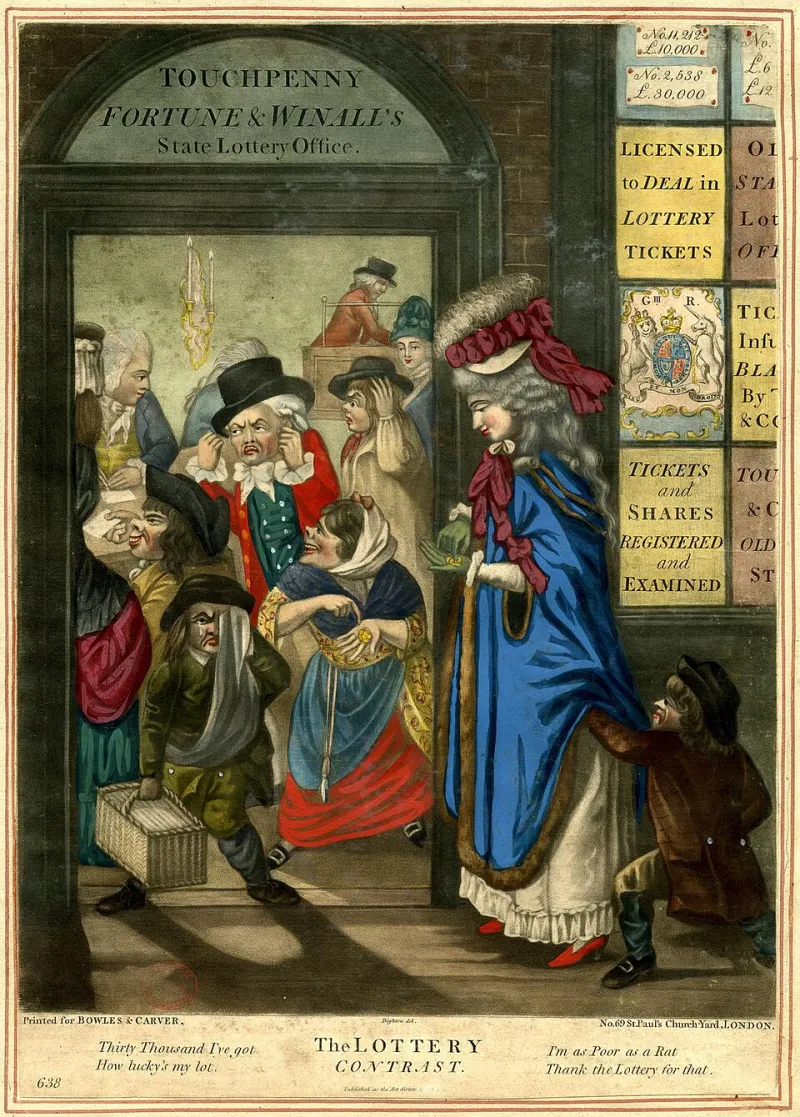
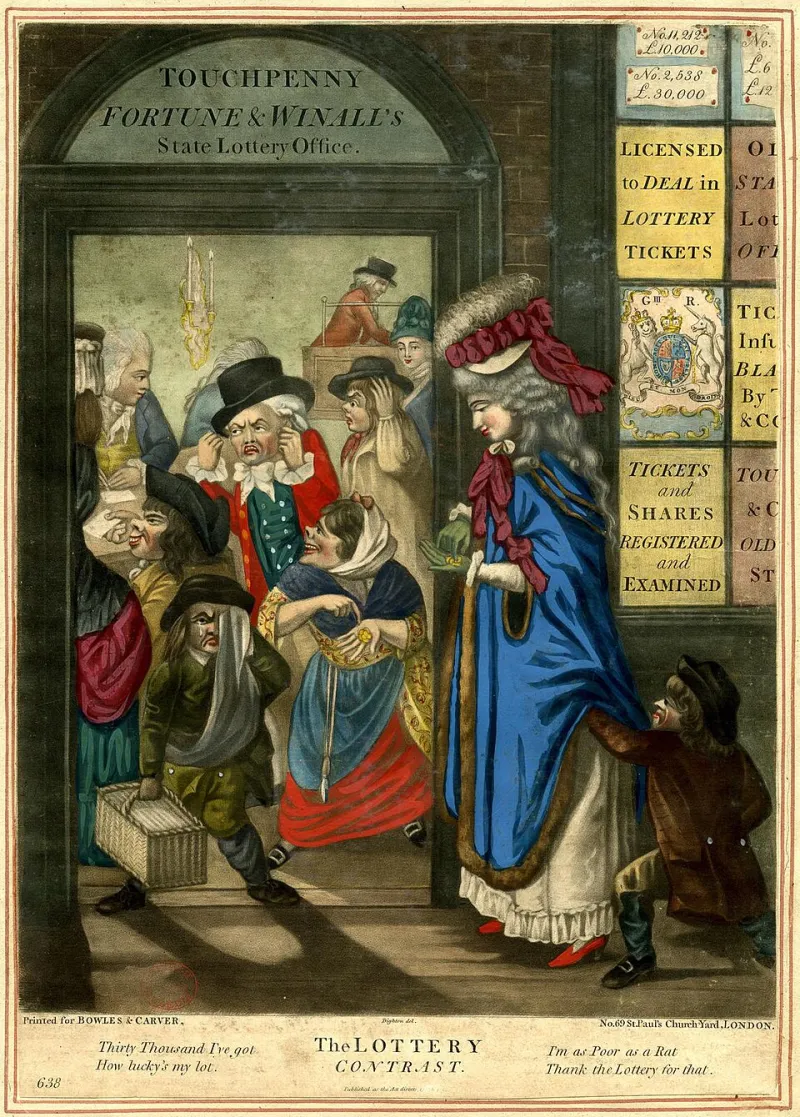
Photo: After: Robert Dighton Published by: Bowles & Carver, Public domain, via Wikimedia Commons
You scanned your ticket, the app flashed that soul-crushing "Not a Winner" message, and your thumb was already halfway to the trash icon. Hold up. Depending on where you live, that ticket might have another life in it.
Second-chance promotions are one of the lottery world's worst-kept secrets — except they kind of are a secret, because participation rates are shockingly low. State lotteries run these programs to keep players engaged, and they dangle real prizes: cash, cars, event tickets, even jackpot-sized drawings. And because most players can't be bothered to enter, the odds are often far friendlier than anything you'll find at the counter.
What Second-Chance Draws Actually Are
The concept is simple. Buy a ticket for a participating game, and if it doesn't win, you enter it into a separate drawing — either by mailing in the ticket the old-fashioned way (nobody does this anymore) or, far more commonly, by scanning it into a lottery app or website. Non-winning entries pile up in your account, and periodically the lottery pulls winners from the pool.
Prizes vary wildly by state. Some offer modest $500 giveaways, while others go big. The Texas Lottery's twice-yearly promotions have handed out trucks and cash bundles, and several states run drawings tied to major events — Super Bowl trips, concert packages, that kind of thing. The common thread: the prize pool exists specifically for people who already lost once, which means you're not competing against the entire ticket-buying public.
Why the Odds Are Better Than You'd Think
Here's the math that matters. A big Powerball drawing might sell tens of millions of tickets. A second-chance drawing might attract entries from a small fraction of eligible players — often under 10% for some promotions, since so many people either don't know the program exists or forget to enter.
Your odds still aren't "good" in the sense of a guaranteed win, but they're dramatically better than the base game. If a state drawing has 200,000 entries and ten $10,000 prizes, that's roughly 1-in-20,000 per entry. Compare that to scratch-off top prizes that can run 1-in-3 million or worse. Fewer competitors, smaller pond, same fish.
Which States Do It Best
Programs differ a lot depending on where you play:
- Texas runs frequent, well-funded promotions with everything from trucks to cash, plus seasonal tie-ins around football season.
- New York has used second-chance drawings for collectible scratch games and event tickets.
- Florida runs regular promotional drawings tied to specific scratch-off games, with cash prizes up to six figures.
- Pennsylvania, Ohio, and Michigan all maintain robust programs with monthly drawings and points-based systems where losing tickets earn you perks beyond just entries.
A handful of states have no formal second-chance program at all, so check your lottery's website. And here's a mobile-specific wrinkle: states with official apps — including digital carryover games in places like Georgia, Kentucky, and Michigan — sometimes auto-register your non-winning entries the moment you scan, no manual entry required.
Let Your Phone Do the Boring Part
The honest reason second-chance programs have low participation isn't ignorance — it's friction. Mailing tickets, typing in ticket numbers, remembering deadlines. That's where playing on your phone changes the game.
When you buy or scan through an app, the entry process collapses to nearly nothing. Scan, entry logged, done. Set a reminder to check the promotions tab once a week, and you've covered 95% of what it takes to be a serious second-chance player. Some apps will even notify you when a new promotion starts or when a drawing deadline is approaching — the same jackpot-alert mindset from the big draws, applied to the small ones.
A few practical tips:
- Enter everything eligible. Non-winning tickets have zero value sitting in your glovebox.
- Watch the fine print. Some drawings limit entries per person per week, which actually helps casual players.
- Don't toss tickets until the drawing closes. Some programs require the physical ticket to claim a prize.
- Check expiration dates. Tickets expire, and so do entry windows.
The Bottom Line
Second-chance draws won't make you rich, but they're the closest thing the lottery offers to free value on money you've already spent. The players who win them aren't lucky so much as organized — and in 2024, organized means automated. Your phone already reminds you about everything else. Let it make sure no losing ticket goes to waste.