Rush Hour, Cash Out: How the Daily Commute Became America's Busiest Lottery Window
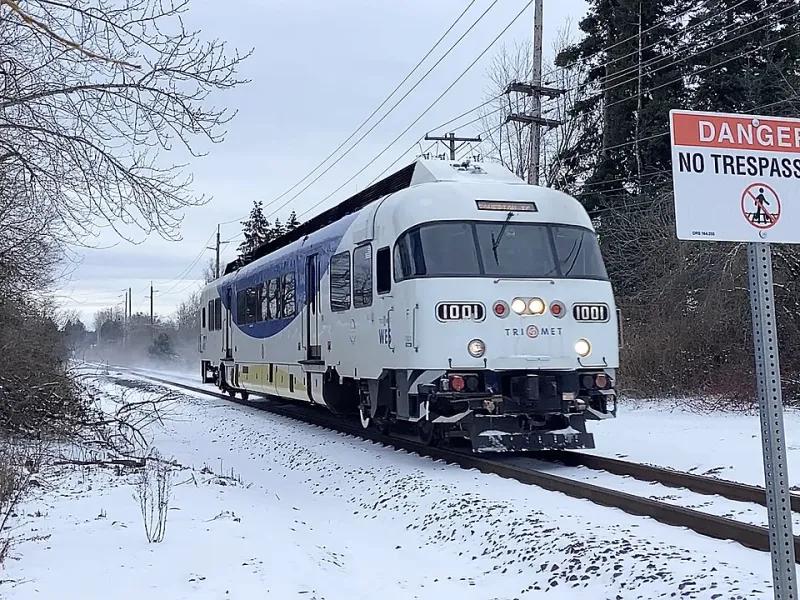
Photo: Trimetwes fan1003, CC BY-SA 4.0, via Wikimedia Commons
There's a moment on every commuter rail in America — the train lurches forward, the seatmate stops scrolling, and a thumb hovers over a glowing screen. Somewhere between the second station stop and the first coffee refill, a lottery ticket gets bought.
That moment isn't random. It's actually the single most predictable purchasing window in the entire American lottery calendar, and it's reshaping what draw day looks like for millions of players.
The 6:15 Effect
Ask anyone who worked at a lottery retailer a decade ago when the rush hit, and you'd get a simple answer: whenever the line got long. Fridays. Big jackpots. Payday. The rhythm was tied to errands — you bought your ticket where you happened to be standing.
Mobile play flipped that logic. Instead of the ticket following your errands, your errands follow the ticket — or more accurately, the ticket slots itself into the dead air of your day. And the deadest air in American life is the commute.
Aggregated activity patterns from mobile lottery platforms show purchasing spikes that line up almost perfectly with transit schedules. There's a bump between roughly 6:30 and 8:30 in each US time zone as trains and buses fill up, a smaller one during the evening ride home, and a stubborn little cluster around the lunch hour that never quite goes away.
The pattern makes sense when you think about it. A commute is one of the few stretches of modern life where you're captive, mildly bored, and holding a smartphone. That's not a coincidence — that's an opportunity.
Waiting Rooms: The Underrated Third Place
If the commute is the king of mobile ticket-buying windows, the waiting room is the quiet workhorse. Doctor's offices, airport gates, the oil change bay, the fifteen minutes before a Zoom call starts — these micro-windows of enforced idleness have become prime ticket territory.
What's interesting is how these purchases differ from commute buys. Commuter purchases tend to be habitual — the same game, the same quick pick, every Tuesday. Waiting-room purchases skew impulsive, often triggered by a jackpot alert or a notification about an upcoming drawing. One is a ritual; the other is a reflex.
Both matter, but they tell you something important about how mobile play has changed the psychology of the lottery. The old model required intention: you decided to play, then drove somewhere. The new model is ambient: the game comes to you during the gaps.
Whatever Happened to the Last-Minute Scramble?
Every lottery player of a certain age knows the scene. It's 7:43 p.m. The Mega Millions drawing hits at 8:00 (or 11:00, depending on where you live and how the time zones shake out). You're doing 44 in a 35, one hand on the wheel, praying the gas station on Route 9 still has a working terminal and no line.
That scramble was never fun. It was stressful, occasionally dangerous, and it depended entirely on geography — you could only play if a retailer was within reach before the cutoff. Rural players and city dwellers without cars were effectively locked out of last-minute entries.
Mobile play didn't just make the scramble unnecessary — it made it obsolete. Cutoffs still exist, of course, and responsible platforms will remind you of them. But the difference between sprinting into a gas station at 7:55 and tapping your screen from the couch at 7:55 is the difference between the lottery being an event and the lottery being a feature of your evening.
Draw-day culture is absorbing this shift in real time. Office pools no longer require a designated runner with a fanny pack full of cash. Group chats now handle what the corner store used to. And the ritual of checking numbers — once a TV event, then a morning-after news headline — is increasingly a push notification that arrives while you're still on the train home.
What Peak Purchasing Times Mean for Players
There's a practical takeaway buried in all this data, and it's not about improving your odds — no purchase time does that. Draws are random, full stop. But knowing when everyone else is playing does shape your experience.
Buy during peak windows and you're part of the crowd: heavier traffic, occasionally slower processing on big jackpot nights, and — if you ever hit it big — a slightly larger pool of co-winners who made the same convenient choice you did. Buy during off-peak hours, say mid-morning on a weekday, and the process is smoother, though the math of the draw doesn't care either way.
The smarter play, if you're the type who thinks about these things, is to decouple your purchase from the frenzy entirely. Set a recurring entry early in the week. Let alerts handle the reminders. Treat the commute as reading time for the results, not a deadline for the buy.
The Counter Moved — It Just Doesn't Look Like a Counter Anymore
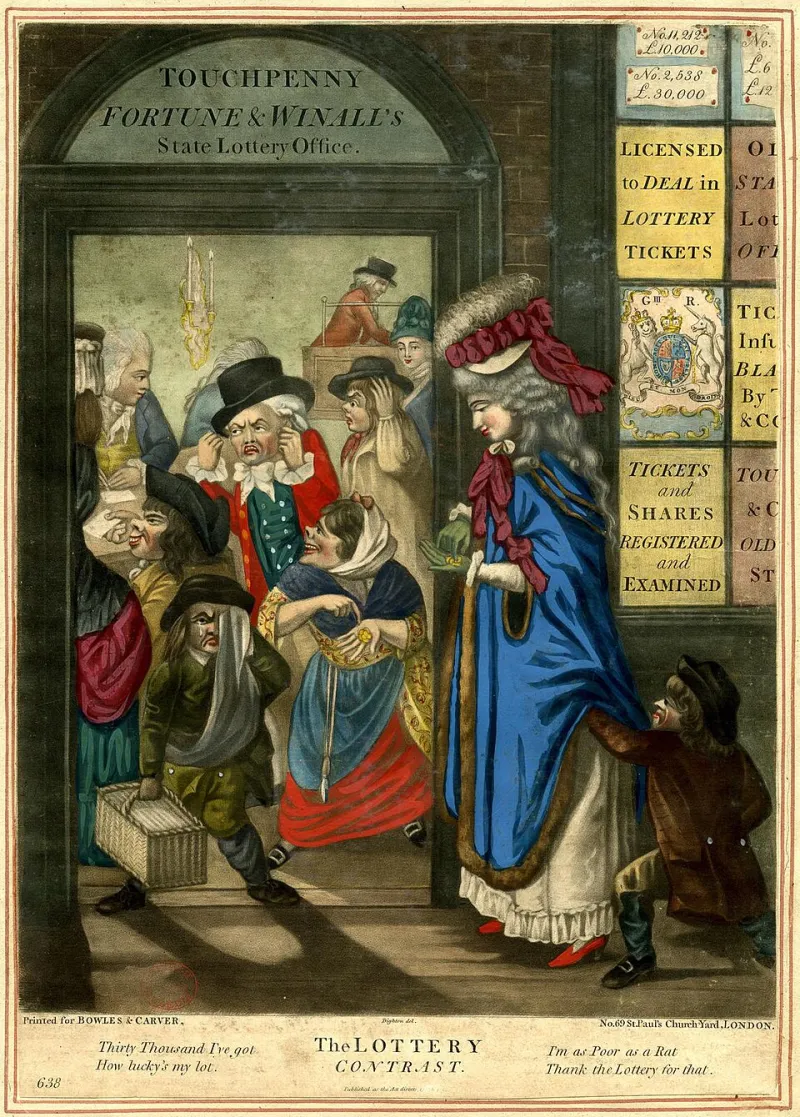
The American lottery counter used to be a physical thing: bulletproof glass, a cigarette rack, a scanner that beeped. Now it's a rectangle of glass that rides the L train, waits in the TSA line, and sits on the nightstand at 11:58 p.m.
The 6:15 train didn't choose to become a lottery counter. It just happened to be where millions of Americans already were, holding the one device that brought the game to them. And unlike the gas station on Route 9, this counter is never closed.