Where Does Your $2 Actually Go? Tracing a Powerball Ticket From Your Phone to the Prize Pool
Photo: AnonymousUnknown author, Public domain, via Wikimedia Commons
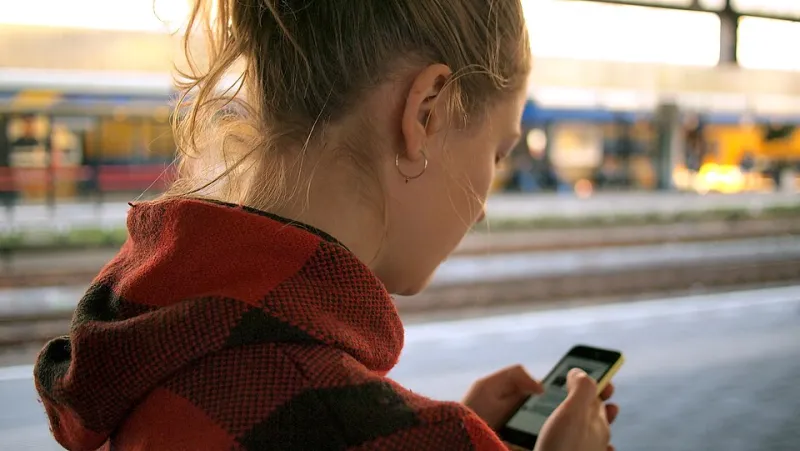
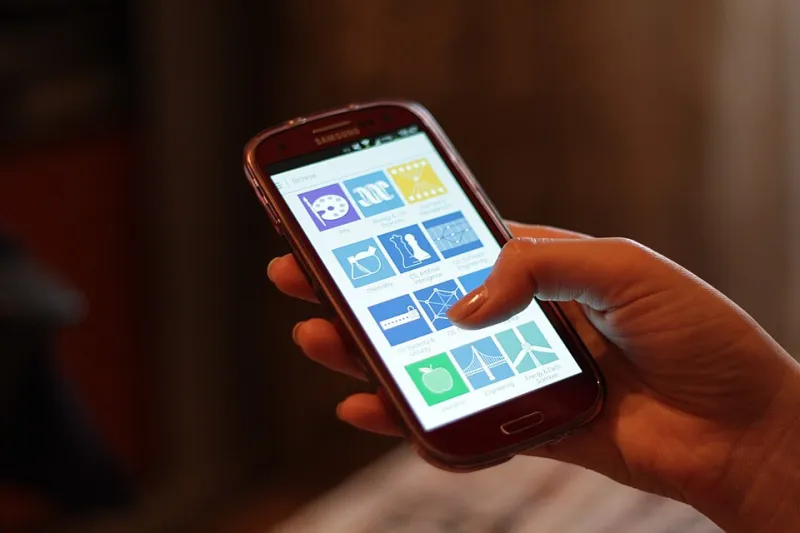
You're standing in line at a coffee shop, phone out, thumb hovering over the 'Buy Now' button. Two dollars. One Powerball ticket. Three seconds later, it's done.
It feels instant. It feels weightless. But that tap just set off a chain reaction involving half a dozen companies, two state agencies, and a piece of software whose only job is confirming you're standing where you say you're standing.
Ever wonder where that $2 actually ends up? Buckle up, because the digital path of a lottery dollar looks nothing like the corner-store version.
Step One: The Bouncer at the Door
Before a single cent moves, the app needs to know one thing: are you actually inside a state where mobile lottery play is legal?
That's the geolocation check, and it's stricter than most people realize. When you open the app, software — often from specialized third-party providers — pings your device's location using GPS, Wi-Fi signals, and cell tower data. If you're inside an approved state boundary, you're in. If you're on a boat in international waters or sitting just across a state line, the app slams the door.
It's not just a one-time check, either. The system quietly re-verifies your position while you play. That's why your ticket purchase can fail mid-transaction if your signal drifts. Annoying? Sure. But it's the reason regulators let the apps exist at all.
Step Two: The Money Moves — Twice
Once you're verified, your $2 heads into the payment system. If you've loaded a wallet in the app, the money already left your bank earlier; the app just deducts from your balance. If you're paying directly by card, a payment processor — the same kind of company that handles your online shopping — authorizes the charge, screens it for fraud, and routes the funds.
Here's a detail most players never think about: card companies treat lottery purchases differently from a gallon of milk. Some banks code them as cash advances, which can mean extra fees on your statement. It's one reason seasoned mobile players top up a prepaid wallet instead of swiping repeatedly. Fewer surprises, cleaner paper trail.
Step Three: Your Ticket Is Born (Somewhere Else)
Now for the part that surprises people most. In many states, when you buy a lottery ticket on your phone, you're not buying from the lottery directly — you're buying from a licensed courier. A real, physical ticket gets printed by a bonded employee at a secure location inside your state, scanned, and linked to your account. The image lands in your app before the ink is technically dry.
The ticket lives in a fireproof, camera-monitored facility. You can't lose it, wash it in your jeans, or leave it on the dash of your car. Whether that trade-off appeals to you is a matter of taste — but it's a genuinely different product from the paper slip you'd buy at a gas station.
Step Four: Everyone Takes a Cut
So where does the money go? Roughly speaking, a $2 Powerball ticket splits something like this:
- About half flows to the prize pool — that's what funds the jackpot and the smaller payouts
- Around 35–40% goes to the state, typically earmarked for things like education or senior services, depending on where you live
- A small slice covers the retailer or courier commission, usually in the single digits
- The remainder handles operating costs — the game's administration, the tech stack, and yes, the geolocation and payment fees from steps one and two
The exact split varies by state, but the shape is the same everywhere: the lottery is fundamentally a fundraising machine that happens to hand out prizes. The house edge is steep — around 50% — and everyone in the industry will tell you that plainly. You're not investing. You're buying a ticket to a daydream, with a chunk of the price going to public programs.
How the Digital Cut Differs From the Counter
Buy at a gas station, and the retailer earns a commission on the sale plus a bonus if a big winner comes from their store. The store's cut is the lottery's main distribution cost.
Buy on your phone, and that physical retail layer gets replaced — or supplemented — by a courier service, a geolocation provider, and a payment processor. Same general idea, different middlemen. The state still gets its share, the prize pool still gets its share, and the tech companies take the slice that used to belong to the guy behind the counter.
One more wrinkle: courier purchases are logged instantly and digitally, so if your numbers hit, the system already knows. No waiting for the store to open. No frantically patting your pockets. The claim process starts with a notification, not a news broadcast.
Why Any of This Matters
Honestly? You can play the lottery happily for decades without knowing any of this. But there are two reasons it's worth ten minutes of your attention.
First, it explains the rules. Why apps won't let you buy from the beach in another state. Why some banks flag lottery charges. Why your ticket image looks like a photocopy of a real slip. Once you see the machinery, the quirks stop feeling arbitrary.
Second, it keeps you a savvy player. Knowing that roughly half your $2 funds the prize pool — and that the odds of the jackpot remain astronomically long no matter how you buy — helps you spend what the fun is worth and not a dollar more.
That tap of your thumb is small. The journey it triggers isn't. Play smart, know where your money wanders, and enjoy the ride.