The Corner Store vs. The Couch: How Mobile Play Is Rewriting the American Lottery Ritual
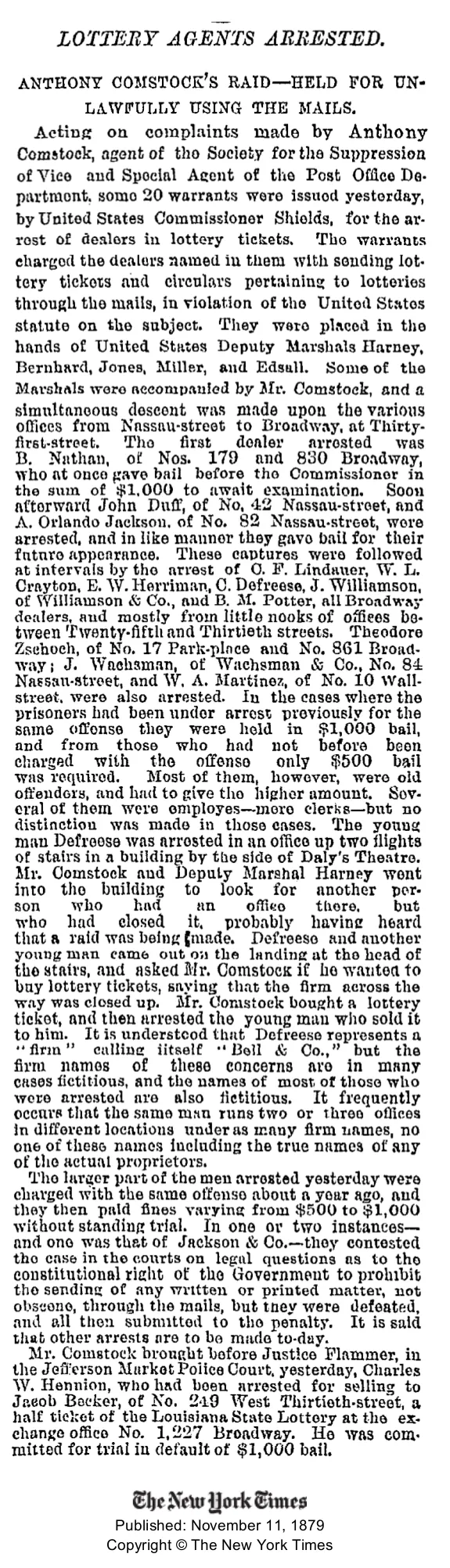
Photo: AnonymousUnknown author, Public domain, via Wikimedia Commons
There's a particular smell to the American lottery experience that nobody talks about: stale coffee, lottery ink, and the faint hum of a scratch-off dispenser. For most of the last fifty years, that smell was the price of admission. If you wanted a shot at the Powerball, you stood in line at the convenience store, hoped the guy ahead of you wasn't buying forty tickets one at a time, and paid cash.
That ritual is quietly dying. And honestly, most players won't miss it.
The Numbers Behind the Shift
Mobile lottery betting didn't creep up on the industry — it sprinted. Industry analysts have tracked steady growth in digital lottery participation over the past five years, and the pandemic acted as a turbocharger. Once players discovered they could set up a ticket, check results, and collect winnings without leaving the house, a lot of them simply never went back to the counter.
The convenience argument is almost too obvious to make. A 2023 survey of US lottery players found that convenience and ease of access ranked among the top reasons for playing digitally, ahead of even jackpot size. Think about that: people care more about how they play than how much they might win.
But convenience alone doesn't explain the whole story. Something cultural is happening too.
A Younger Player, A Different Game
Walk into any gas station at 7 PM on a jackpot night and look at the line. It skews older, cash-based, and ritualistic. Now look at who's playing on their phones: younger, busier, and far more comfortable treating the lottery as entertainment rather than superstition.
Millennials and Gen Z didn't abandon the lottery — they abandoned the errand. Buying a ticket was never the fun part; the fun part is the draw, the what-if conversation with friends, the morning-after result check. Mobile platforms stripped out the errand and kept the fun.
There's also a demographic reality that legacy lottery marketing struggled with: younger Americans don't carry cash, don't love standing in lines, and expect every transaction to happen in an app. The lottery was one of the last holdouts. Not anymore.
What the Corner Store Loses
Traditional retailers are feeling it. Lottery commissions have long relied on retail partners not just for ticket sales but for visibility — the glowing sign, the ticket counter, the impulse purchase next to the energy drinks. When play moves online, that billboard effect fades.
Retailers also lose the walk-in traffic that lottery players generate. A ticket buyer rarely buys just a ticket. They grab a soda, a snack, a pack of gum. Every digital ticket is, in a small way, a lost candy bar sale.
What the Corner Store Keeps
Here's the twist, though: the retail lottery isn't dead, and it may never be.
Scratch-offs remain overwhelmingly an in-person product. There's a tactile, immediate thrill to scratching a ticket at the counter that no app has fully replicated — though some are trying. Instant games still drive a massive share of lottery revenue, and they're stubbornly physical.
There's also the social factor. The corner store ticket purchase is a small communal ritual: the regular clerk who knows your numbers, the shared groan when the jackpot rolls over. Mobile play is convenient, but it's also solitary. Some players will always want a human on the other side of the counter.
Smart retailers are adapting rather than resisting — promoting in-store exclusives, hosting pool plays for coworkers, and leaning into the social experience that a phone can't provide.
The Hybrid Future
The most likely outcome isn't a winner-take-all scenario. It's a hybrid: big-jackpot draws and subscription-style play going digital, instant games and social play staying physical. The player who buys a Powerball ticket on their lunch break might still grab a scratch-off at the same gas station on Saturday.
What's clear is that the gas station line is no longer the default. It's now one option among many — and for a growing share of American players, it's the option they take least often.
The lottery didn't change. The line just got shorter — to zero.