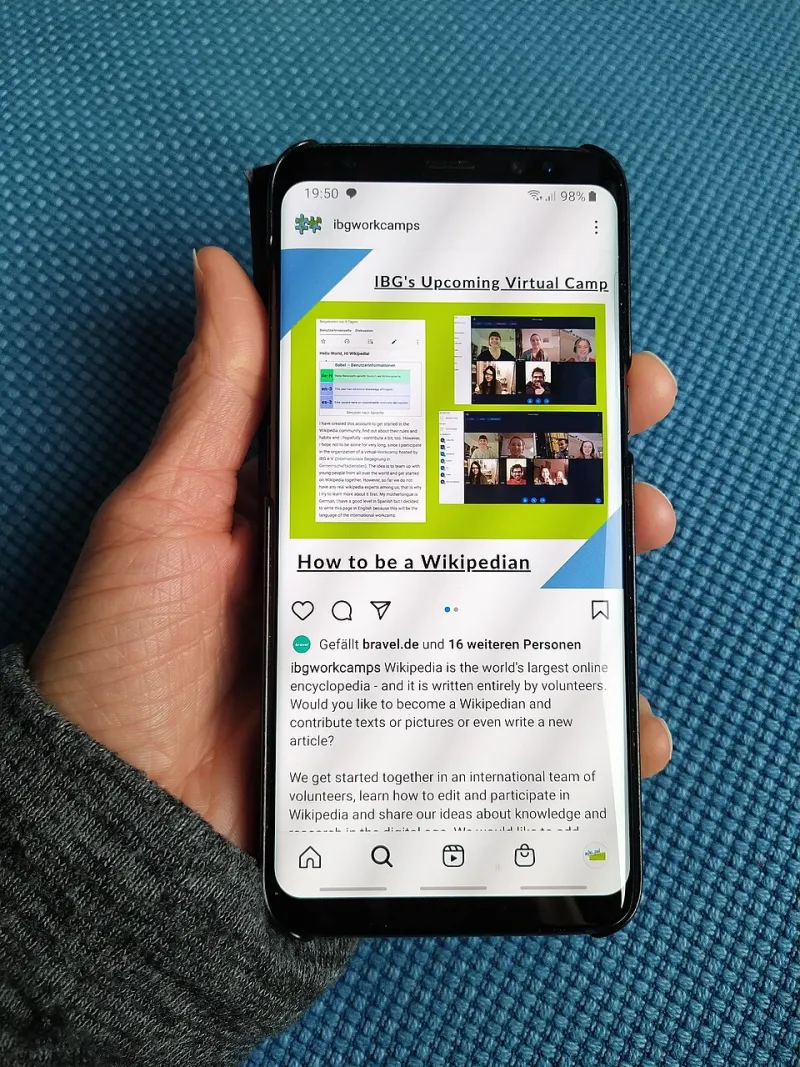
Invisible Jackpot: Can You Really Stay Anonymous When You Win From an App?
Photo: Wil540 art, CC BY 4.0, via Wikimedia Commons
For decades, the script was the same. You win the Powerball, you walk into a state lottery office, and you pose with a giant novelty check while your neighbors find out your business in real time. But if you bought that ticket from your phone — the way millions of Americans now do — the whole ritual changes. Nobody hands you a check at a press conference. So what actually happens when a mobile player hits it big?
The Old Way: Your Face on a Billboard
Most states have historically treated lottery wins as public record. The logic, at least officially, is transparency: officials want the public to trust that someone really won, and that the games aren't rigged. That's how you end up with winners like the New Hampshire woman who fought for the right to claim a $560 million Powerball prize through a trust rather than her own name — and won that fight in court.
A handful of states, including Delaware, Kansas, Maryland, and others, allow outright anonymity for big winners. Many more let you claim through a trust or LLC. But if you're holding a paper ticket in a state that publishes winner names, your options have always been limited.
Does Playing on Your Phone Change Anything?
Here's the interesting part for mobile players: the verification process is fundamentally different. When you play through a lottery courier or a state-run app, your identity is already tied to your account. You registered with your legal name, date of birth, address, and usually the last four digits of your Social Security number. That sounds like the opposite of anonymity — and in a sense, it is.
But it cuts both ways. Because the platform already knows who you are, there's no ambiguity at claim time. There's no lost ticket drama, no dispute over possession, no courthouse fight over who physically held the winning slip. For smaller and mid-tier prizes, many mobile platforms simply credit your account directly. No office visit. No public records filing with your hometown attached. A $10,000 win that would've required a trip to a claim center and a tax form on file can sometimes stay between you and your banking app.
Where the Paper Trail Lives
That said, digital play doesn't make you a ghost. Every bet you place is timestamped, geolocated, and stored. If you win a life-changing jackpot, the same public-records rules that apply to in-store winners generally apply to you. States that require winner disclosure don't carve out exceptions because the purchase came from a couch instead of a counter.
What digital play does give you is structure. Your winnings flow through a verified account, which makes it dramatically easier to claim through a legal entity if your state allows it. It also means you have time — the money lands in your account, and the decisions about trusts, attorneys, and publicity happen on your schedule, not the claim center's.
Practical Moves for the Cautious Winner
If staying low-key matters to you, a few things are worth knowing before you ever need them:
- Know your state's rules now, not after you win. Anonymity laws vary wildly, and some states have loosened or tightened them in recent years.
- Ask about trusts and LLCs. In many states, claiming through a legal entity is the middle path between full disclosure and a press conference.
- Understand what a courier can and can't do. Third-party betting apps handle claims differently than official state apps — read the fine print before you play.
- Expect the IRS regardless. Anonymity shields your name from neighbors, not your winnings from the taxman. Wins above $5,000 trigger federal withholding no matter how quietly you claimed them.
The Bottom Line
Playing from your phone won't magically make a nine-figure jackpot invisible — the public-records machinery still exists, and your account data is very real. But for the vast majority of wins, the ones between a few bucks and a few thousand, mobile play has quietly made winning a far more private experience than the oversized-check era ever allowed. The check may still be giant. The audience, increasingly, is optional.